
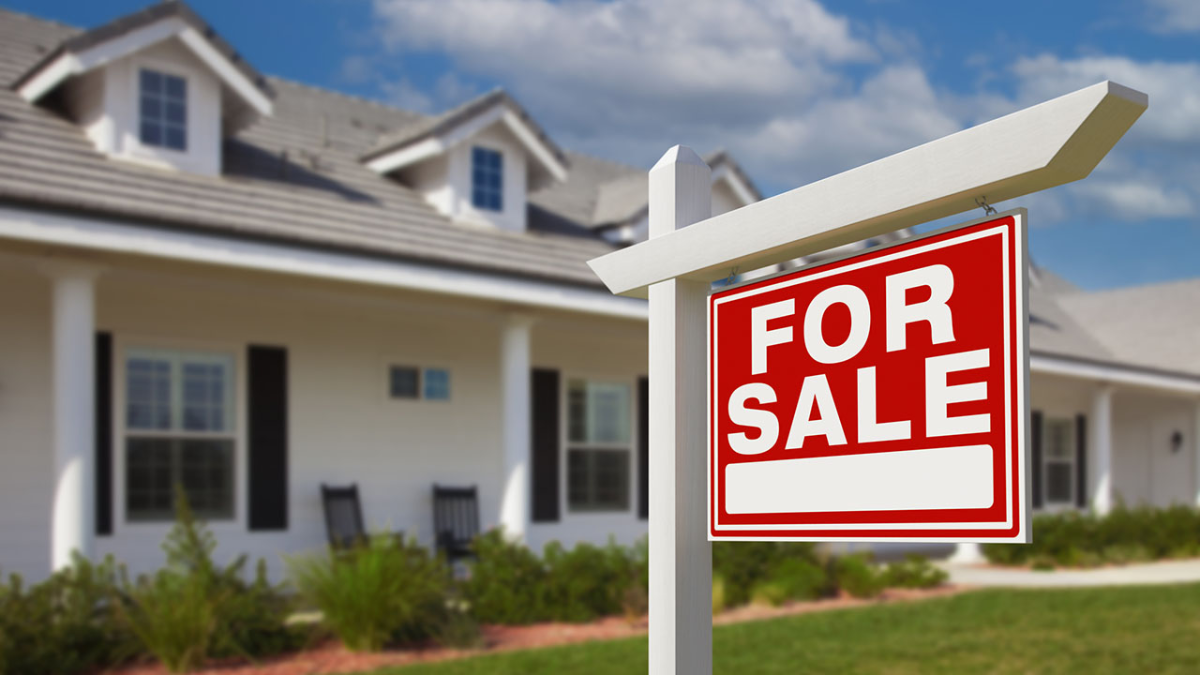
Selling a home for the first time can be both exciting and overwhelming. From preparing your property to negotiating with buyers, first-time sellers face a series of challenges that can affect the sale’s outcome. Understanding the process, legal requirements, pricing strategies, and marketing tactics is essential to ensure a smooth and profitable transaction. This guide offers a detailed roadmap for first-time home sellers, covering every step from preparation to closing.
Understanding the Home Selling Process
Why Home Sales Can Be Challenging
Selling a home involves more than just listing it on the market. Challenges include:
- Pricing the property correctly
- Navigating legal and financial obligations
- Marketing to attract potential buyers
- Negotiating offers and contracts
Understanding these challenges upfront helps first-time sellers make informed decisions and avoid common pitfalls.
Steps in the Home Selling Process
- Preparing your home for sale
- Determining the right price
- Marketing the property
- Showing the home and hosting open houses
- Reviewing offers and negotiating
- Completing legal paperwork
- Closing the sale
Each step requires careful planning and attention to detail to ensure a successful transaction.
Preparing Your Home for Sale
Declutter and Depersonalize
Buyers want to envision themselves in the home. Remove personal items, excess furniture, and clutter to make spaces feel open and inviting.
Repairs and Upgrades
Minor repairs such as fixing leaks, repainting walls, or replacing broken fixtures can significantly increase your home’s appeal. Consider cost-effective upgrades that enhance value, such as modern lighting or landscaping improvements.
Home Staging
Staging involves arranging furniture and decor to highlight your home’s best features. Professionally staged homes often sell faster and at higher prices.
Professional Photography
High-quality photos attract online buyers and generate more interest. Consider hiring a professional photographer to showcase your home in the best light.
Pricing Your Home Correctly
Conduct Market Research
Analyze comparable homes in your area to understand market trends and pricing. Factors like location, size, condition, and amenities influence the ideal listing price.
Consider a Professional Appraisal
A licensed appraiser can provide an unbiased valuation, helping you set a realistic and competitive price.
Avoid Overpricing
Overpricing can lead to longer listing times and reduced buyer interest. Price strategically to balance profitability and marketability.
Marketing Your Property
Online Listings
Use real estate platforms such as Zillow, Realtor.com, or local MLS listings to reach a broad audience. Include clear descriptions, high-quality photos, and accurate details.
Social Media Marketing
Promote your property on social media channels like Facebook, Instagram, and LinkedIn. Share posts with your network to increase visibility.
Open Houses and Private Showings
Hosting open houses and private tours allows potential buyers to experience the home firsthand. Ensure the home is clean, well-lit, and inviting.
Professional Real Estate Agents
Hiring a licensed agent can simplify the process. Agents have access to marketing tools, buyer networks, and negotiation expertise to help maximize your home’s value.
Handling Offers and Negotiations
Reviewing Offers
Evaluate offers carefully, considering price, contingencies, financing, and closing timelines. Don’t base decisions solely on the highest bid; terms and buyer reliability matter.
Negotiation Strategies
Be prepared to negotiate on price, repairs, closing costs, and move-in dates. Flexibility can help reach a mutually beneficial agreement.
Counteroffers
If an initial offer doesn’t meet your expectations, consider making a counteroffer. Strategic counteroffers can improve terms while keeping the buyer engaged.
Understanding Legal and Financial Obligations
Required Disclosures
Sellers must disclose known defects, hazards, and past repairs. Transparency builds trust and protects you from legal issues.
Closing Costs
Be aware of costs associated with selling, including agent commissions, taxes, and transfer fees. Budgeting for these expenses ensures a smooth transaction.
Home Inspection
Buyers typically request an inspection. Addressing potential issues proactively can prevent delays and strengthen your position in negotiations.
Title and Deed Transfer
Work with a real estate attorney or title company to ensure proper documentation for ownership transfer. This step is critical for legal compliance and buyer confidence.
Preparing for Moving Out
Timing Your Move
Coordinate your move with the closing date to avoid overlapping costs or storage issues.
Packing and Organization
Start early and label boxes clearly. Consider hiring professional movers if needed to reduce stress.
Final Walkthrough
Before the buyer takes possession, conduct a final walkthrough to ensure the home is in agreed-upon condition and all repairs are completed.
Tips for First-Time Sellers
Be Realistic
Understand that selling a home takes time. Be patient and flexible to achieve the best outcome.
Focus on Curb Appeal
First impressions matter. Ensure landscaping, exterior paint, and entryways are well-maintained.
Keep Emotions in Check
Selling a home can be emotional, especially if it holds memories. Maintain a professional mindset to make objective decisions.
Leverage Technology
Virtual tours, 3D walkthroughs, and online scheduling tools can enhance the buying experience and attract more potential buyers.
Stay Informed About Market Trends
Monitor local real estate trends, mortgage rates, and buyer preferences. Staying informed allows you to make strategic decisions throughout the selling process.
Common Mistakes to Avoid
- Overpricing or underpricing the property
- Neglecting necessary repairs
- Poor-quality listing photos
- Ignoring legal and disclosure requirements
- Failing to negotiate effectively
- Rushing the process due to emotional pressure
Conclusion
Selling a home for the first time can be a complex process, but with careful planning, research, and professional guidance, it can be a smooth and profitable experience. Preparing your home, pricing it correctly, marketing effectively, and navigating negotiations with confidence are key components of a successful sale. By understanding your legal and financial obligations, leveraging technology, and staying patient and informed, first-time sellers can maximize their home’s value and achieve a successful transaction. Remember, preparation and strategy are the keys to turning your home sale into a rewarding experience.
FAQs
1. How long does it typically take to sell a home for first-time sellers?
The timeline varies depending on market conditions, pricing, and property demand. On average, homes sell within 30-90 days of listing.
2. Should I hire a real estate agent or sell my home independently?
Hiring an agent provides marketing expertise, negotiation skills, and access to buyer networks. Selling independently saves commission but requires more effort and market knowledge.
3. What is the most effective way to price my home?
Use a combination of market research, comparable sales analysis, and professional appraisal to determine a competitive and realistic price.
4. How can I make my home more appealing to buyers?
Declutter, stage rooms, make minor repairs, enhance curb appeal, and use high-quality listing photos to attract buyers.
5. What legal documents are required for a home sale?
Key documents include the property title deed, tax receipts, disclosure statements, inspection reports, and closing paperwork. Consult a real estate attorney for guidance.