
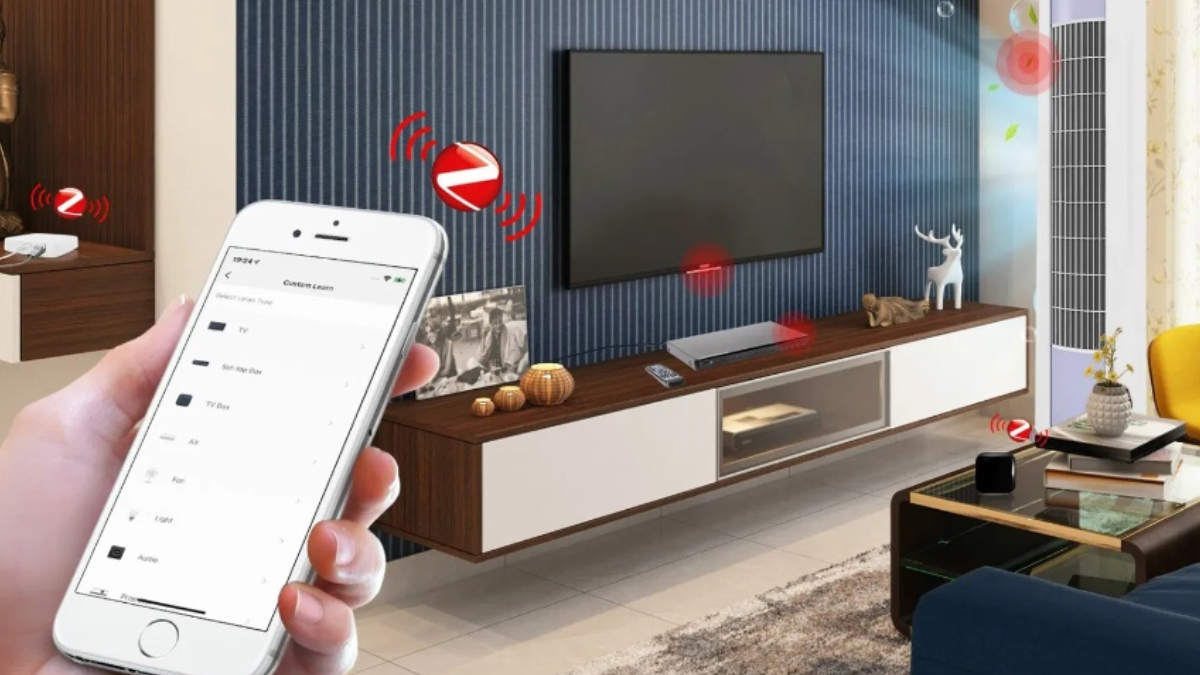
The future of home living is smart, connected, and efficient. Smart home gadgets have become an essential part of modern lifestyles, offering convenience, energy savings, security, and enhanced comfort. In 2025, technological advancements are taking home automation to the next level, with devices that make your life easier, safer, and more enjoyable. This guide explores the top smart home gadgets you can use to upgrade your living space, along with practical tips for choosing and integrating them into your home.
Why Invest in Smart Home Gadgets?
Smart home devices offer numerous benefits for homeowners, making them more than just tech trends.
1. Convenience and Efficiency
Smart gadgets allow you to control lights, appliances, thermostats, and security systems from your smartphone or voice assistant, saving time and effort.
2. Enhanced Security
From smart cameras to door locks and sensors, smart home technology provides real-time monitoring, alerts, and remote control to protect your home and family.
3. Energy Savings
Smart thermostats, lighting, and appliances help reduce energy consumption by adjusting usage according to your routines, saving money and supporting sustainability.
4. Comfort and Personalization
Automated devices enable personalized settings, such as lighting moods, temperature preferences, and music playlists, creating a comfortable and enjoyable living environment.
Smart Home Gadgets for 2025
With rapid advancements in technology, smart home gadgets are becoming more innovative, accessible, and functional. Here are the top devices to consider for upgrading your home in 2025.
1. Smart Speakers and Voice Assistants
Voice-controlled smart speakers like Amazon Echo, Google Nest Audio, or Apple HomePod remain central to home automation.
Features:
- Voice control for lights, appliances, and entertainment systems
- Streaming music and podcasts
- Integrating with other smart devices for home routines
- Providing news, weather updates, and reminders
Smart speakers act as hubs, connecting multiple devices for seamless control.
2. Smart Lighting Systems
Smart lighting transforms the way you illuminate your home while enhancing convenience and energy efficiency.
Features:
- Adjustable brightness and color
- Automated schedules and routines
- Remote control via apps or voice assistants
- Motion detection and energy-saving modes
Popular options include Philips Hue, LIFX, and Nanoleaf panels, which can create customized lighting scenes for every occasion.
3. Smart Thermostats
Smart thermostats like Nest or Ecobee optimize energy usage while keeping your home comfortable.
Features:
- Learning your temperature preferences and routines
- Remote control through mobile apps
- Energy usage reports and recommendations
- Integration with other smart devices for automation
Smart thermostats can reduce energy bills and ensure your home is always at the perfect temperature.
4. Smart Security Systems
Home security is a major priority for families, and smart gadgets offer comprehensive protection.
Components:
- Smart cameras with live streaming and motion detection
- Smart door locks for keyless entry
- Window and door sensors
- Video doorbells for visitor monitoring
These systems allow homeowners to monitor their property remotely and receive instant alerts about suspicious activity.
5. Smart Plugs and Outlets
Smart plugs and outlets add intelligence to everyday appliances, making them controllable from anywhere.
Features:
- Schedule devices to turn on or off automatically
- Energy monitoring to track usage
- Voice control through smart assistants
- Remote access from mobile apps
Smart plugs are affordable and versatile, transforming traditional devices into smart ones without replacing them.
6. Smart Home Hubs
A smart hub connects and controls multiple devices in a centralized system, ensuring smooth interoperability.
Benefits:
- Unified control for lighting, security, and appliances
- Automation routines for daily activities
- Integration of different brands and platforms
- Enhanced efficiency and convenience
Smart hubs such as Samsung SmartThings or Apple HomeKit streamline your home automation experience.
7. Smart Appliances
Modern kitchens and living areas benefit from smart appliances that combine technology with functionality.
Examples:
- Smart refrigerators with inventory tracking and recipe suggestions
- Smart ovens that can be controlled remotely
- Robot vacuum cleaners for automated cleaning
- Smart washing machines with app-controlled cycles
These devices save time, reduce manual effort, and improve overall home efficiency.
8. Smart Smoke and Carbon Monoxide Detectors
Safety remains a top priority, and smart detectors provide real-time alerts to prevent accidents.
Features:
- Smoke and CO detection with instant notifications
- Integration with mobile apps for remote monitoring
- Voice alerts and emergency notifications
- Self-testing and battery monitoring
Devices like Nest Protect enhance household safety while giving peace of mind.
9. Smart Curtains and Blinds
Automated window treatments improve comfort, privacy, and energy efficiency.
Benefits:
- Scheduled opening and closing based on sunlight or time
- Integration with smart home systems for automation
- Remote control through apps or voice assistants
- Improved insulation and energy savings
Smart blinds are particularly useful in bedrooms and living rooms for convenience and enhanced ambiance.
10. Smart Irrigation Systems
For homeowners with gardens, smart irrigation systems optimize water usage while keeping plants healthy.
Features:
- Automated watering schedules based on weather and soil moisture
- Remote control through apps
- Integration with smart assistants for easy adjustments
- Notifications and maintenance reminders
Smart irrigation helps conserve water and ensures a lush garden without constant monitoring.
Tips for Choosing the Right Smart Home Gadgets
1. Identify Your Needs
Determine which aspects of your home you want to automate, such as security, energy efficiency, or convenience.
2. Compatibility
Ensure devices are compatible with your existing ecosystem, such as Google Home, Amazon Alexa, or Apple HomeKit.
3. User-Friendly Interfaces
Choose gadgets that are easy to set up, use, and maintain for all family members.
4. Security and Privacy
Select devices with strong encryption, regular updates, and clear privacy policies to protect your data.
5. Budget Considerations
Start with essential devices and gradually expand your smart home ecosystem according to your budget.
6. Integration and Automation
Look for gadgets that can be integrated into routines and schedules for a fully automated home experience.
Future of Smart Home Gadgets
The future promises even more innovation in smart home technology. Emerging trends include AI-powered devices that anticipate needs, enhanced energy management systems, and advanced robotics for home assistance. Homes in 2025 are set to be more intuitive, connected, and responsive, making everyday life easier, safer, and more enjoyable.
Conclusion
Upgrading your living space with smart home gadgets in 2025 is a smart investment for convenience, security, energy efficiency, and comfort. From smart speakers and lighting to security systems, appliances, and irrigation systems, these devices transform ordinary homes into intelligent living spaces. By understanding your needs, choosing compatible devices, and integrating automation, you can create a home that is both modern and functional. Embracing these smart technologies enhances your quality of life while preparing your home for the future.
FAQs
1. What are the benefits of smart home gadgets?
They provide convenience, energy savings, enhanced security, and personalized comfort.
2. Can smart home devices work together?
Yes, with smart hubs and compatible platforms, multiple devices can be connected for seamless automation.
3. Are smart gadgets safe to use?
Choose devices with strong security features, regular updates, and trusted brands to ensure safety.
4. Do I need a smart home hub?
A hub is useful for integrating multiple devices and creating automated routines but is not always required.
5. How do smart devices save energy?
Smart thermostats, lighting, and appliances adjust usage based on routines and occupancy, reducing unnecessary consumption.