
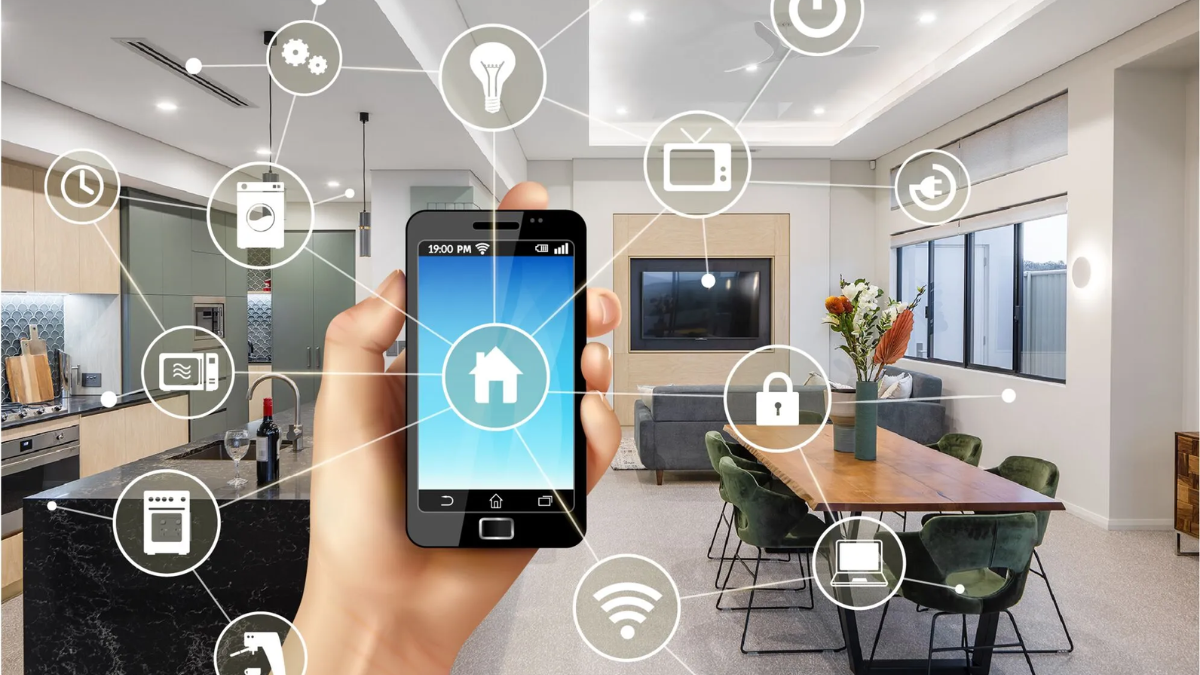
The rise of smart home technology has revolutionized the way we live. From enhancing convenience and energy efficiency to improving security and comfort, smart devices are reshaping modern homes. Whether you’re a tech enthusiast or a homeowner looking to upgrade your living space, understanding smart home technology is essential. This guide explores the benefits, popular devices, implementation strategies, and future trends to help you transform your home into a connected, intelligent environment.
What Is Smart Home Technology?
Definition
Smart home technology refers to devices, appliances, and systems that are connected to the internet or a home network, enabling remote control, automation, and real-time monitoring. These devices often integrate with smartphones, tablets, or voice assistants to offer seamless control.
Key Features
- Automation: Schedule lighting, climate control, or appliances to operate automatically.
- Remote Access: Control devices from anywhere using apps or voice commands.
- Energy Efficiency: Monitor and optimize energy consumption to save costs.
- Security: Real-time alerts, cameras, and smart locks enhance home safety.
- Integration: Multiple devices work together for a unified smart home experience.
Benefits of Smart Homes
Smart home technology offers numerous advantages:
- Convenience: Simplifies daily routines by automating tasks.
- Cost Savings: Reduces energy bills through efficient usage of electricity and water.
- Safety and Security: Protects your home with smart locks, cameras, and alarms.
- Comfort: Maintains ideal indoor temperature and lighting based on preferences.
- Accessibility: Assists elderly or differently-abled individuals with easier control.
Popular Smart Home Devices
Smart Lighting
Overview
Smart lighting allows you to control brightness, color, and schedules via apps or voice assistants. Popular brands include Philips Hue, LIFX, and TP-Link Kasa.
Benefits
- Reduce electricity usage
- Set moods with customizable colors
- Automate lighting schedules for security and convenience
Smart Thermostats
Overview
Smart thermostats like Nest, Ecobee, and Honeywell learn your routine and adjust temperature settings automatically.
Benefits
- Energy savings by optimizing heating and cooling
- Remote control from smartphones
- Integration with other smart devices for home automation
Smart Security Systems
Overview
Smart security includes cameras, doorbells, locks, and sensors that provide real-time monitoring and alerts. Brands like Ring, Arlo, and SimpliSafe are popular choices.
Benefits
- Monitor your home remotely
- Receive instant notifications of unusual activity
- Automate locks and alarms for enhanced security
Smart Appliances
Overview
Smart refrigerators, ovens, washing machines, and dishwashers connect to the internet for remote control and monitoring.
Benefits
- Receive maintenance alerts
- Monitor energy usage
- Control appliances remotely or schedule operations
Voice Assistants and Hubs
Overview
Voice assistants like Amazon Alexa, Google Assistant, and Apple HomeKit centralize control of smart devices.
Benefits
- Hands-free operation for lights, locks, and appliances
- Integration with multiple devices for seamless automation
- Voice commands simplify daily routines
Smart Entertainment Systems
Overview
Smart TVs, speakers, and streaming devices enhance the home entertainment experience. Systems like Sonos, Roku, and Apple TV allow multi-room audio and on-demand streaming.
Benefits
- Stream content seamlessly
- Integrate with other smart home devices
- Control using apps or voice commands
Smart Sensors
Overview
Sensors detect motion, temperature, humidity, and air quality, triggering automated responses.
Benefits
- Improve energy efficiency by regulating HVAC systems
- Alert homeowners to environmental hazards
- Integrate with smart security and automation systems
How To Implement Smart Home Technology
Assess Your Needs
Identify areas where smart technology can provide the most benefit, such as energy efficiency, security, or convenience.
Start Small
Begin with a few essential devices like smart lighting or a thermostat. Gradually expand to include cameras, locks, and entertainment systems.
Choose Compatible Devices
Ensure devices are compatible with your chosen ecosystem, such as Alexa, Google Home, or Apple HomeKit, for seamless integration.
Secure Your Network
Use strong passwords, update firmware regularly, and set up a secure Wi-Fi network to protect against hacking.
Automate and Integrate
Use routines and automation to create a connected smart home experience. For example, set lights to turn off when leaving home or locks to engage at night.
Smart Home Automation Ideas
Energy Management
- Schedule heating and cooling for efficiency
- Automate lighting to reduce unnecessary electricity usage
- Monitor energy consumption with smart plugs and meters
Home Security
- Set up cameras and motion sensors for real-time monitoring
- Automate door locks and alerts for unusual activity
- Create vacation modes to simulate occupancy when away
Comfort and Lifestyle
- Control temperature and lighting based on occupancy
- Integrate smart speakers with daily routines like reminders and news updates
- Automate coffee machines, blinds, or air purifiers for convenience
Health and Wellness
- Use air quality sensors to monitor indoor environment
- Integrate smart fitness devices and sleep trackers
- Automate lighting to support circadian rhythms
Challenges and Considerations
Cost
While prices have decreased, smart home devices still require investment. Start with essential devices and expand gradually.
Compatibility
Different brands and ecosystems may not work seamlessly together. Research compatibility before purchasing.
Privacy and Security
Smart devices collect data about your habits. Ensure strong passwords, encryption, and software updates to maintain privacy.
Technical Knowledge
Setting up and maintaining devices may require technical know-how. Seek tutorials, customer support, or professional installation if needed.
Future of Smart Homes
AI and Machine Learning
Future smart homes will leverage AI to anticipate needs, learn routines, and provide personalized experiences.
IoT Expansion
More appliances and devices will connect to the internet, creating fully integrated smart homes with centralized control.
Energy Efficiency Innovations
Smart grids and renewable energy integration will allow homes to manage energy more effectively and reduce environmental impact.
Enhanced Security
Biometric authentication, advanced monitoring, and predictive alerts will improve home security and user peace of mind.
Conclusion
Smart home technology is transforming the way we live, offering convenience, security, energy efficiency, and comfort. By integrating smart lighting, thermostats, security systems, appliances, and entertainment, homeowners can create an intelligent, connected living space. Successful implementation requires assessing needs, starting with essential devices, ensuring compatibility, and maintaining network security. As technology evolves, smart homes will become even more sophisticated, offering personalized, AI-driven experiences and sustainable living solutions. Embracing smart home technology today allows you to enjoy a modern, efficient, and secure lifestyle while preparing for future advancements.
FAQs
1. What is the easiest way to start a smart home setup?
Start with a few essential devices like smart lighting or a thermostat and gradually expand as you become comfortable with automation.
2. Are smart home devices compatible with all ecosystems?
Not always. Check device compatibility with your ecosystem (Alexa, Google Home, or Apple HomeKit) before purchasing.
3. Can smart homes help reduce energy bills?
Yes, smart lighting, thermostats, and energy monitoring devices can significantly reduce electricity consumption and costs.
4. How secure are smart home devices from hacking?
While generally secure, smart devices can be vulnerable. Use strong passwords, keep firmware updated, and secure your Wi-Fi network.
5. Is professional installation required for smart home technology?
Not always. Many devices are user-friendly, but professional installation can ensure proper setup, especially for complex systems.