
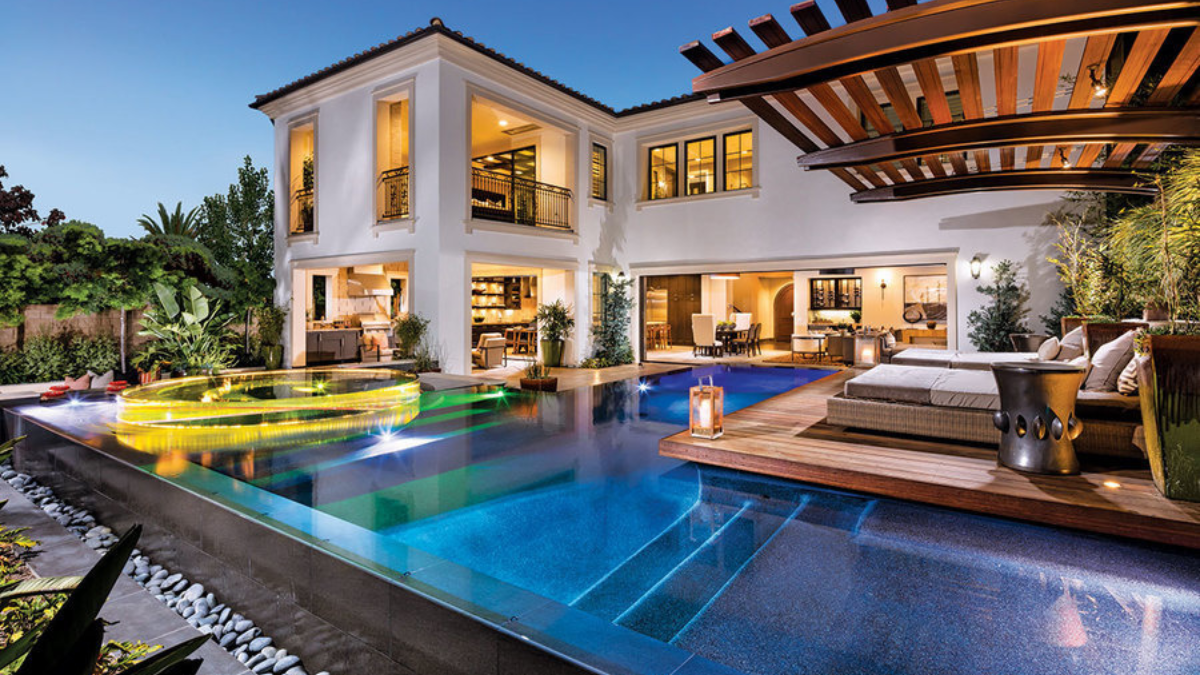
Building or designing your dream home is an exciting journey that blends creativity, functionality, and personal style. Whether you are constructing a new property or renovating an existing one, careful planning and informed decisions are key to achieving a home that reflects your personality while meeting practical needs. This guide provides tips, ideas, and inspiration to help you create a dream living space tailored to your lifestyle.
Understanding Your Vision
Define Your Lifestyle Needs
Before designing your dream home, assess your lifestyle and priorities. Consider factors such as:
- Family size and future plans
- Work-from-home requirements
- Entertainment and social spaces
- Storage and organizational needs
- Accessibility for children, elderly, or differently-abled family members
Create a Mood Board
Mood boards help visualize your style preferences by combining colors, textures, furniture styles, and decor ideas. Platforms like Pinterest or Canva are excellent tools to create and organize inspiration.
Set a Budget
Determine your budget early in the process, including costs for construction, materials, furnishings, and contingencies. A realistic budget ensures your vision is achievable without financial strain.
Planning Your Home Layout
Open vs. Closed Floor Plans
Decide whether you prefer an open floor plan for shared spaces or distinct rooms for privacy. Open layouts create spaciousness, while closed layouts offer defined areas for activities.
Functional Spaces
Design spaces that cater to your daily activities:
- Kitchen: Consider workflow, storage, and appliance placement
- Living Room: Focus on comfort, seating, and entertainment options
- Bedrooms: Ensure privacy, comfort, and ample storage
- Bathrooms: Include essential amenities and optimize for convenience
Multi-Functional Rooms
Multi-purpose spaces maximize efficiency, such as a guest room doubling as a home office or a playroom with hidden storage solutions.
Outdoor Areas
Incorporate patios, gardens, or terraces to extend living space and enhance relaxation and entertainment options.
Choosing Interior Design Styles
Modern and Minimalist
Characterized by clean lines, neutral colors, and minimal decor. Modern homes emphasize functionality and simplicity.
Traditional and Classic
Rich textures, ornate furniture, and timeless colors define traditional styles. This style emphasizes elegance and warmth.
Contemporary
Blends modern elements with comfort and bold accents. Contemporary design allows flexibility and creativity.
Scandinavian
Light tones, natural materials, and functional furnishings dominate Scandinavian interiors, promoting simplicity and coziness.
Eclectic and Personalized
Combine multiple styles, textures, and colors for a unique, personalized aesthetic that reflects your personality.
Selecting Materials and Finishes
Flooring Options
- Hardwood: Timeless and durable, adds warmth
- Tile: Perfect for kitchens, bathrooms, and high-traffic areas
- Laminate: Cost-effective alternative with varied designs
- Carpet: Adds comfort to bedrooms and living areas
Wall Finishes
- Paint: Easy to change, wide variety of colors
- Wallpaper: Adds patterns, textures, or accent walls
- Paneling: Wood or decorative panels for a classic look
Countertops and Cabinets
Choose durable materials for kitchens and bathrooms, such as granite, quartz, or solid wood. Consider style, color, and maintenance requirements.
Lighting
Combine natural and artificial lighting. Use ambient, task, and accent lighting to enhance mood, functionality, and design aesthetics.
Furniture and Decor Tips
Prioritize Comfort and Function
Invest in furniture that balances aesthetics with comfort, especially for living areas, bedrooms, and workspaces.
Scale and Proportion
Ensure furniture size complements room dimensions. Oversized furniture can overwhelm small spaces, while undersized pieces may appear lost in large rooms.
Statement Pieces
Incorporate artwork, sculptures, or bold furniture as focal points to reflect personality and style.
Storage Solutions
Use built-in storage, multi-functional furniture, and clever organizing methods to maintain a clutter-free home.
Textiles and Accessories
Add texture and color through rugs, curtains, cushions, and throws to create a cozy and visually appealing environment.
Incorporating Smart Home Technology
Benefits of Smart Homes
- Enhance convenience with voice control and automation
- Improve energy efficiency and reduce utility costs
- Increase security with smart locks, cameras, and sensors
Popular Smart Devices
- Smart lighting and thermostats
- Home security cameras and alarms
- Automated entertainment systems
- Voice assistants like Alexa, Google Home, or Siri
Integration Tips
Choose devices compatible with your lifestyle and budget. Start small and expand gradually to maintain simplicity and control.
Landscaping and Outdoor Design
Garden and Lawn Planning
Incorporate native plants and low-maintenance landscaping for sustainable, cost-effective outdoor spaces.
Outdoor Living Areas
Patios, decks, and pergolas extend your living space and create zones for relaxation, dining, and socializing.
Water Features and Lighting
Fountains, ponds, and outdoor lighting enhance ambiance, making your outdoor areas visually appealing and inviting.
Sustainability and Eco-Friendly Design
Energy Efficiency
Use energy-efficient appliances, LED lighting, and smart thermostats to reduce energy consumption.
Green Building Materials
Consider sustainable materials such as bamboo flooring, recycled wood, and low-VOC paints for environmentally conscious choices.
Water Conservation
Install low-flow fixtures, rainwater harvesting systems, and drought-resistant landscaping to save water.
Renewable Energy
Solar panels and energy storage systems can reduce dependence on non-renewable energy sources.
Tips for Managing the Home Creation Process
Work With Professionals
Engage architects, interior designers, and contractors to ensure design and construction meet your vision and quality standards.
Timeline Planning
Set realistic deadlines for each stage, including design, construction, furnishing, and final touches.
Communication and Flexibility
Maintain open communication with contractors and designers. Be flexible to adjust plans when necessary due to budget or design constraints.
Document Everything
Keep records of designs, contracts, invoices, and warranties to streamline project management and future maintenance.
Common Mistakes to Avoid
- Skipping planning and budgeting steps
- Ignoring practical needs for aesthetics
- Overlooking storage and functionality
- Underestimating timelines and costs
- Neglecting professional guidance when needed
Conclusion
Creating your dream home is a rewarding journey that combines creativity, practicality, and personal expression. By understanding your lifestyle needs, planning layouts thoughtfully, selecting complementary interior design styles, and incorporating smart technology and sustainable practices, you can build a home that reflects your personality while providing comfort, functionality, and long-term value. Careful planning, professional guidance, and attention to detail ensure a seamless process, turning your vision into a reality that you and your family will enjoy for years to come.
FAQs
1. How do I start planning my dream home?
Begin by defining your lifestyle needs, setting a budget, creating a mood board, and prioritizing essential spaces and features.
2. What is the best way to choose an interior design style?
Explore different styles through magazines, online platforms, and showrooms. Consider your lifestyle, preferences, and how each style complements functionality.
3. Should I incorporate smart home technology in my dream home?
Yes, smart devices enhance convenience, security, energy efficiency, and overall comfort. Start with key devices and expand gradually.
4. How can I make my home eco-friendly?
Use energy-efficient appliances, sustainable materials, water-saving fixtures, and consider renewable energy sources like solar panels.
5. How do I avoid going over budget when creating a dream home?
Set a realistic budget, plan for contingencies, prioritize essential features, compare costs, and consult professionals to manage expenses effectively.