
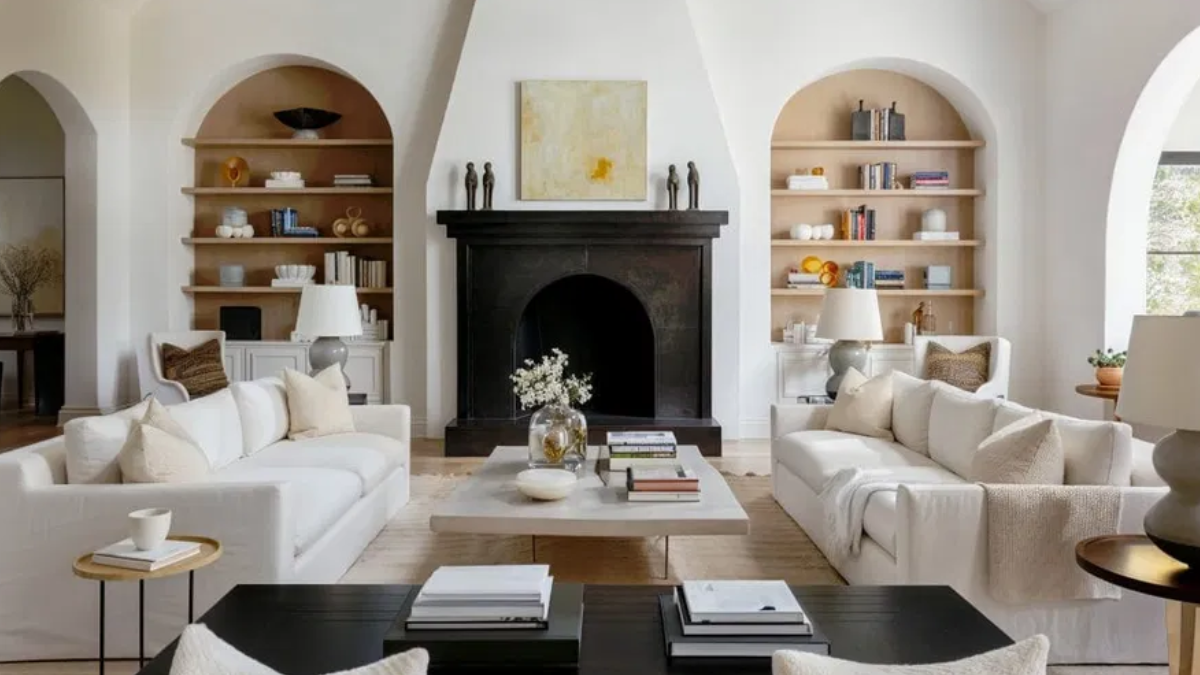
The world of interior design is constantly evolving, influenced by technology, sustainability, and cultural shifts. In 2025, homeowners are seeking spaces that are not only stylish but functional, personalized, and eco-friendly. Understanding the latest interior design trends can help you transform your home aesthetics, improve comfort, and increase the value of your property. This guide explores the top trends, innovative ideas, and practical tips to bring your home into 2025.
Sustainable and Eco-Friendly Design
Sustainability is more than a buzzword; it is a central theme in 2025 interior design. Homeowners are prioritizing eco-conscious choices that reduce environmental impact while maintaining aesthetic appeal.
Use of Sustainable Materials
Materials such as reclaimed wood, bamboo, cork, and recycled metals are gaining popularity. These materials offer durability, unique textures, and a connection to nature. They are ideal for flooring, furniture, and decorative accents.
Energy-Efficient Lighting
LED lighting and smart lighting systems are essential for modern, eco-friendly homes. These solutions reduce energy consumption and allow homeowners to adjust lighting based on mood or activity.
Indoor Air Quality
Natural ventilation, houseplants, and low-VOC paints are increasingly important. Indoor greenery not only purifies the air but also adds a natural and calming element to interiors.
Bold Colors and Statement Walls
While neutral palettes remain timeless, 2025 introduces bold and expressive colors that reflect personality and style.
Vibrant Accent Walls
From deep emerald green to rich terracotta, accent walls are making a strong statement. These walls create focal points in living rooms, bedrooms, or home offices.
Mixing Colors Creatively
Combining complementary or contrasting colors is a key trend. For example, soft pastels paired with earthy tones bring balance, while vibrant shades in geometric patterns add modern flair.
Colored Ceilings
Ceilings are no longer an afterthought. In 2025, painting ceilings in soft hues or bold tones adds depth and character to any room.
Multifunctional Spaces
With changing lifestyles and remote work becoming common, homes are evolving into versatile environments that cater to multiple activities.
Home Offices and Study Areas
Compact yet functional workspaces are essential. Built-in desks, ergonomic chairs, and smart storage solutions allow seamless integration into bedrooms or living areas.
Convertible Furniture
Sofa beds, foldable desks, and expandable dining tables maximize space. This trend is especially popular in urban apartments where every square foot counts.
Flexible Room Layouts
Sliding partitions and modular furniture enable homeowners to adapt rooms for different purposes, such as a guest bedroom turning into a workout area.
Natural Textures and Materials
Bringing nature indoors is a key theme for 2025. Textures that evoke warmth and comfort create inviting and visually appealing spaces.
Wood and Stone Finishes
Exposed wooden beams, stone countertops, and natural floor finishes connect interiors to the outdoors while adding timeless charm.
Textile Variety
Mixing fabrics like linen, velvet, and jute creates tactile interest. Rugs, cushions, and throws in layered textures enhance the cozy factor.
Organic Shapes
Curved furniture, rounded edges, and asymmetrical décor mimic natural forms. This contrasts with rigid, minimalist designs and adds softness to interiors.
Tech-Integrated Homes
Smart home technology continues to influence interior design. In 2025, homes are becoming more efficient, secure, and customizable.
Smart Lighting and Climate Control
Automated lighting, temperature control, and window shades improve comfort while saving energy.
Voice-Controlled Devices
Voice assistants allow homeowners to control lighting, music, and appliances, creating a seamless and futuristic living experience.
Integrated Entertainment Systems
Built-in speakers, projectors, and hidden cable management enhance functionality without compromising aesthetics.
Minimalism with Personal Touches
While minimalism remains popular, 2025 emphasizes individuality and curated décor rather than stark simplicity.
Decluttered Spaces
Clean lines and open spaces make rooms feel larger and more serene. Multi-purpose storage solutions help maintain a minimalist environment.
Personalized Art and Decor
Adding unique artwork, photographs, and handmade items introduces personality without cluttering the space.
Statement Furniture
Minimalism with bold, signature furniture pieces like sculptural chairs or designer coffee tables adds visual interest.
Biophilic Design
The connection between nature and interior spaces is stronger than ever. Biophilic design integrates natural elements to promote well-being.
Indoor Gardens and Green Walls
Living walls, vertical gardens, and indoor plants improve air quality while creating a lush, vibrant atmosphere.
Natural Lighting
Maximizing natural light with large windows, skylights, and open layouts reduces reliance on artificial lighting and enhances mood.
Water Features
Small indoor fountains or aquariums introduce the calming presence of water, aligning with wellness-focused design.
Maximalism and Curated Collections
Maximalism is making a comeback as homeowners embrace bold patterns, vibrant colors, and curated collections.
Mix of Patterns
Layering patterns in rugs, cushions, and wallpapers adds personality. Geometric, floral, and abstract designs work together to create dynamic spaces.
Statement Accessories
Eye-catching vases, lamps, and sculptures serve as focal points, reflecting individual taste and storytelling through décor.
Eclectic Furniture
Combining different furniture styles, eras, and materials creates a visually interesting and highly personalized interior.
Sustainable and Functional Kitchens
Kitchens are evolving into eco-friendly, multifunctional spaces.
Energy-Efficient Appliances
Induction stoves, smart refrigerators, and water-saving dishwashers reduce energy consumption.
Open Shelving
Open shelves allow easy access to daily essentials while showcasing decorative items and ceramics.
Sustainable Countertops
Recycled materials, natural stone, and bamboo are replacing conventional synthetic countertops.
Bathroom Trends 2025
Bathrooms are no longer purely functional; they are wellness spaces designed for relaxation.
Spa-Like Features
Rain showers, freestanding tubs, and heated floors create a luxurious experience.
Natural Materials
Stone sinks, wooden vanities, and organic textiles contribute to a calming, spa-like ambiance.
Minimalist Fixtures
Clean lines, wall-mounted taps, and concealed storage maintain an uncluttered aesthetic.
Tips to Incorporate 2025 Trends in Your Home
- Start Small: Introduce trends gradually to see what works best for your space.
- Mix and Match: Combine minimalism with bold accents or biophilic elements.
- Focus on Functionality: Trends are attractive, but practicality ensures long-term satisfaction.
- Invest Wisely: Spend on statement pieces and durable materials while using budget-friendly options for décor.
- Reflect Personal Style: Trends are guidelines, but your home should reflect your personality and lifestyle.
Conclusion
Interior design in 2025 emphasizes sustainability, technology integration, multifunctional spaces, and personalization. From eco-friendly materials and smart homes to bold colors and biophilic elements, these trends help homeowners create spaces that are functional, stylish, and aligned with modern lifestyles. By carefully incorporating these trends into your home, you can achieve a balance between aesthetics and practicality, making your living space both beautiful and comfortable. Staying aware of these evolving trends ensures that your home not only looks contemporary but also enhances your well-being and lifestyle.
FAQs
1. What are the main interior design trends in 2025?
Sustainable materials, smart home technology, bold colors, multifunctional spaces, biophilic design, and personalized décor are key trends.
2. How can I make my home eco-friendly?
Use sustainable materials, energy-efficient lighting, low-VOC paints, and indoor plants to improve environmental impact.
3. Are bold colors suitable for every room?
Yes, but they work best as accent walls or décor elements to avoid overwhelming the space.
4. How can I integrate technology into interior design?
Install smart lighting, climate control systems, voice assistants, and integrated entertainment for both functionality and aesthetics.
5. Can minimalism include personalized elements?
Absolutely. Minimalism in 2025 allows personal touches through artwork, statement furniture, and curated décor without clutter.